5 Levels of Financial Independence: Find Your Path to FI
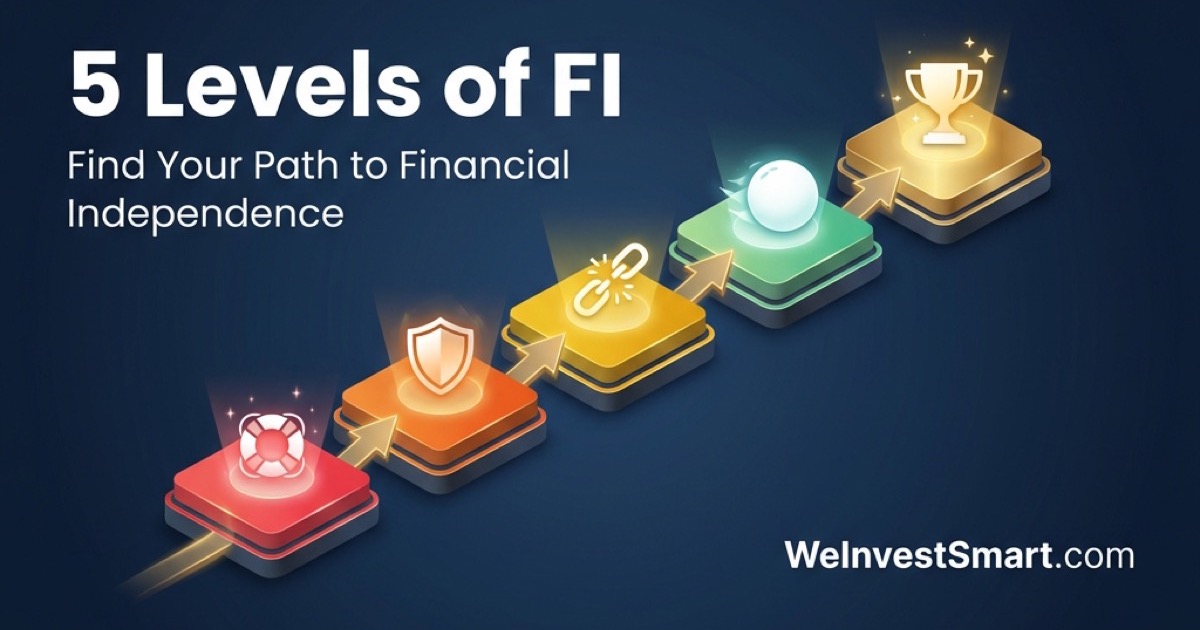
Break down the path to FI into manageable stages: 1) Solvency, 2) Stability, 3) Debt Freedom, 4) Coast FI, 5) Full FI. This provides readers with a roadmap and a sense of progress.

Break down the path to FI into manageable stages: 1) Solvency, 2) Stability, 3) Debt Freedom, 4) Coast FI, 5) Full FI. This provides readers with a roadmap and a sense of progress.
We explain the powerful difference between a tax credit (a dollar-for-dollar reduction of your tax bill) and a tax deduction (a reduction of your taxable income), with examples of each.

Demystify the five factors that make up a credit score (payment history, amounts owed, etc.). Provide actionable tips on how to build a good score from scratch or improve a poor one.

Clarify a common point of confusion. We explain that your marginal rate is the tax on your next dollar earned, while your effective rate is the average tax you actually pay on all your income.

Master the art of budgeting with our comprehensive guide. Learn proven budgeting methods, track your expenses, and build a sustainable financial plan.

Go beyond the emotional arguments and provide a framework for a financial comparison. Include a calculator or spreadsheet that accounts for factors like property taxes, maintenance, opportunity cost of the down payment, and expected time in the home.

Bust the myth that all credit cards are evil. Frame them as a tool for building credit, earning rewards, and providing consumer protection—as long as the balance is paid in full every month.

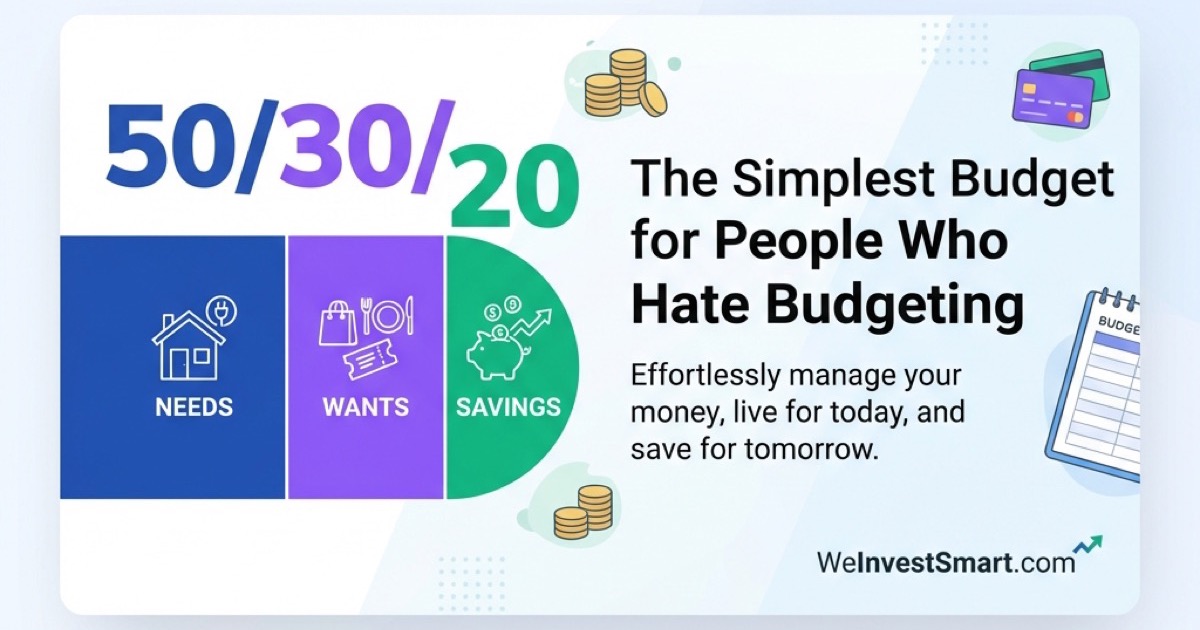
Tired of tracking every penny? Discover the 50/30/20 rule, a simple and powerful framework to manage your money without the hassle of a complicated budget.

A highly shareable listicle that summarizes key lessons. Include mistakes like lifestyle inflation after a raise, not starting to invest early, paying high fees, trying to time the market, and ignoring your 401(k) match.

A listicle exploring often-overlooked tax deductions that could save you thousands. We cover student loan interest, HSA contributions, self-employment expenses, IRA contributions, and more.